
The quiet case for slow travel
Two weeks in one town taught me more than two weeks in six. An argument for fewer places, longer stays and ordinary days.
Elena Marsh2 min read
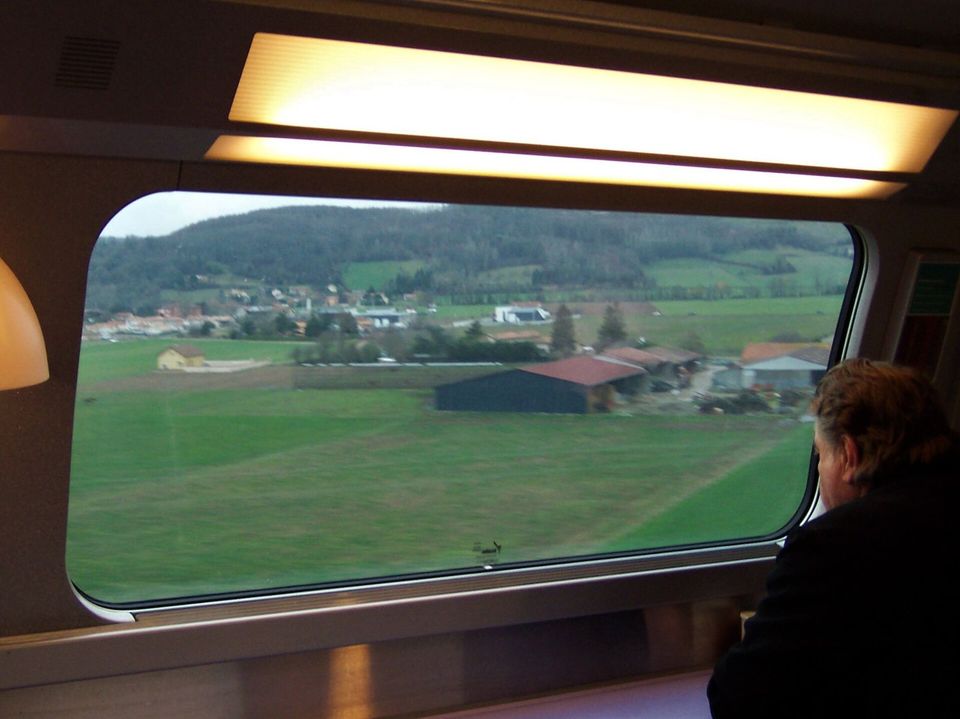
For years I travelled the way most of us are taught to: a list of places, a tight itinerary, a train every second morning. I came home with thousands of photos and very few memories that felt like mine.
The trip that changed my mind was an accident. A rail strike stranded me in a small town in northern Portugal for twelve days. By the fourth morning the woman at the café was starting my coffee when I walked in. By the second week I knew which bakery sold out of cornbread first and which bench caught the evening sun.
What changes when you stay
Staying put does not mean doing nothing. It means doing things at the speed of the place. You go to the market twice and notice what has come into season. You walk the same route at different times and see a different street. You have a second conversation with someone, which is where most real conversations start.
“The point of slow travel is not to see less. It is to notice more.”
How to plan a slower trip
- Pick a base, not a route. Choose one town with good connections and make day trips from there.
- Rent somewhere with a kitchen. Shopping at the market is the fastest way into daily life.
- Leave whole days empty. You will fill them, and that is the point.
- Go by train or bus. The journey becomes part of the trip instead of something to endure.
- Learn twenty words. Hello, thank you, please, the numbers and "what do you recommend?" open a remarkable number of doors.
It is kinder, too
Longer stays spread money into local businesses rather than the handful of places on every list, and they mean fewer flights. That is not why I travel slowly — I do it because it is better — but it is a pleasant side effect.
Read next
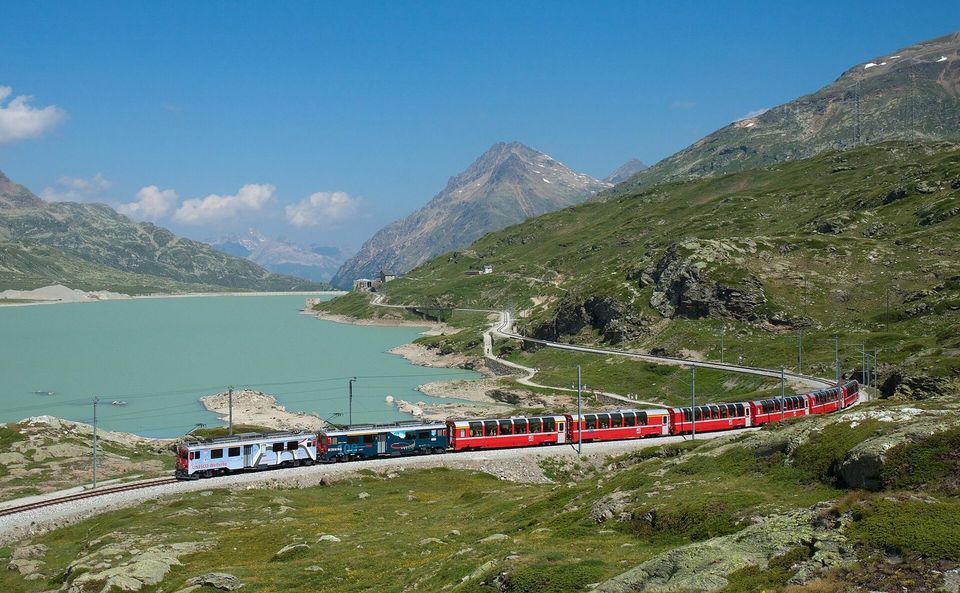
Train journeys worth the detour
Keep reading
Train journeys worth the detour
Five rail routes in Europe where the window seat is the destination, with tips on booking and when to ride.
Elena Marsh & Tomas Lindqvist2 min read