
48 hours in Lisbon, entirely on foot
Seven hills, one pair of comfortable shoes and no taxis. A two-day walking route through Lisbon’s best viewpoints, bakeries and tiled streets.
Elena Marsh3 min read
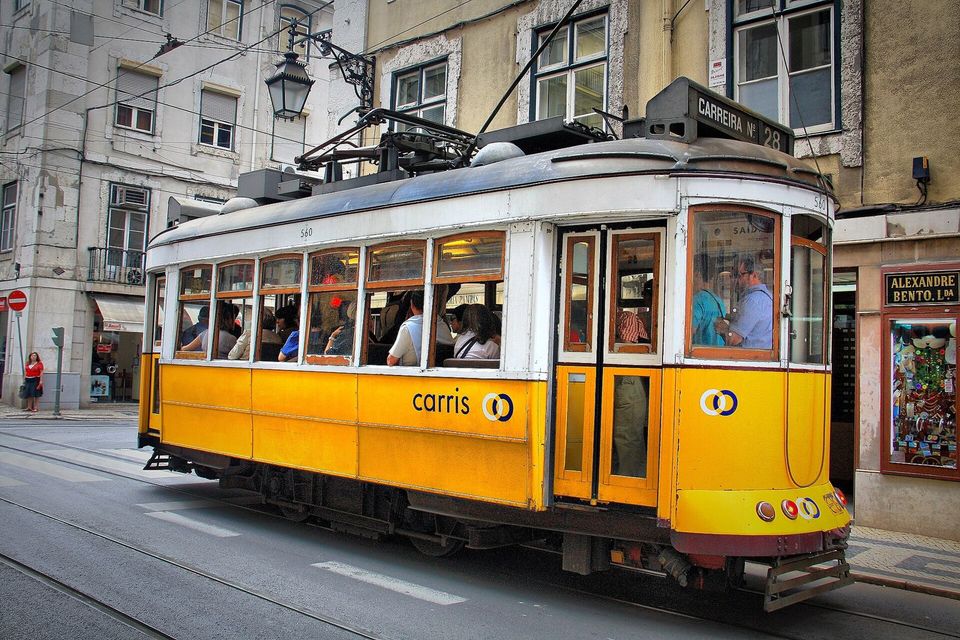
Lisbon punishes the impatient and rewards the walker. The trams are charming and the taxis are cheap, but the city's best moments happen between them: a staircase that opens onto the river, a tiled façade you would have missed, a bakery with a queue of locals. This route covers the classic neighbourhoods in two unhurried days, with plenty of stops to sit down.
Day one: Baixa, Chiado and Bairro Alto
Start early in Praça do Comércio, when the square is still quiet and the light comes in low off the Tagus. Walk up Rua Augusta under the triumphal arch and let the grid of the rebuilt Baixa lead you north. After the 1755 earthquake the district was planned on straight lines, and it is the easiest part of the city to walk.
Take the stairs (or, if you must, the Santa Justa lift) up into Chiado. Coffee here is a ritual: stand at the counter, order a bica, and pay less than you expected. From Chiado, climb into Bairro Alto, which is sleepy by day and loud by night, and continue to the Miradouro de São Pedro de Alcântara for the first big view of the castle across the valley.
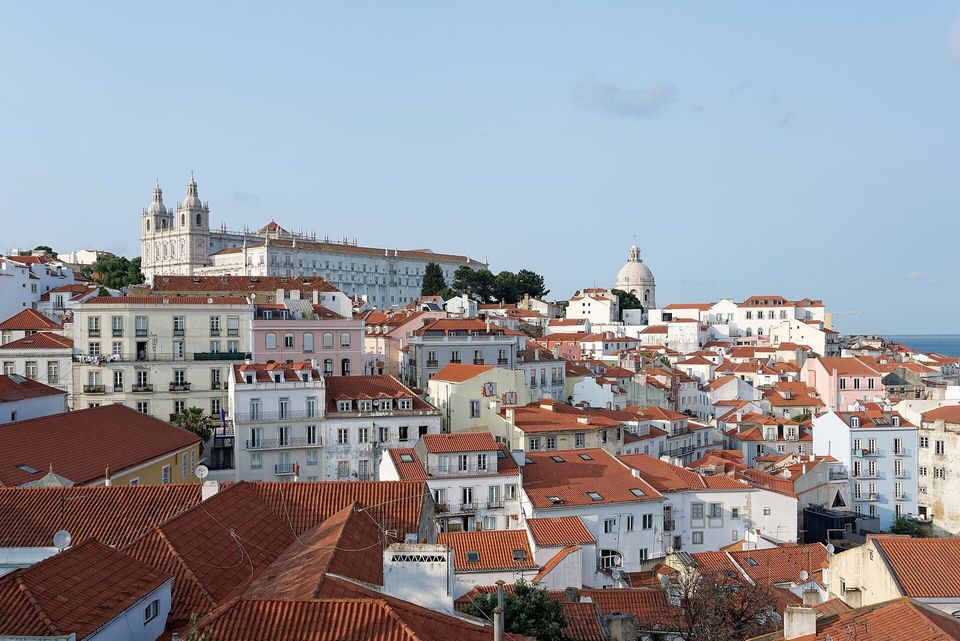
Where to eat
Lunch at a tasca — a small, family-run restaurant with a handwritten menu. Order the dish of the day (prato do dia), which is usually grilled fish or a stew, and expect it to cost around twelve euros with wine.
Day two: Alfama and Graça
Alfama is the oldest part of Lisbon, a tangle of lanes that survived the earthquake. Get lost here on purpose. Begin at the cathedral, climb to the Miradouro de Santa Luzia with its blue-and-white tiles, and continue up to Graça, where the Miradouro da Senhora do Monte gives the widest view in the city.
Come back down through the lanes in the late afternoon, when washing hangs between the windows and neighbours talk across the street. If you are there in June, the whole district becomes a street party for the Santo António festival.
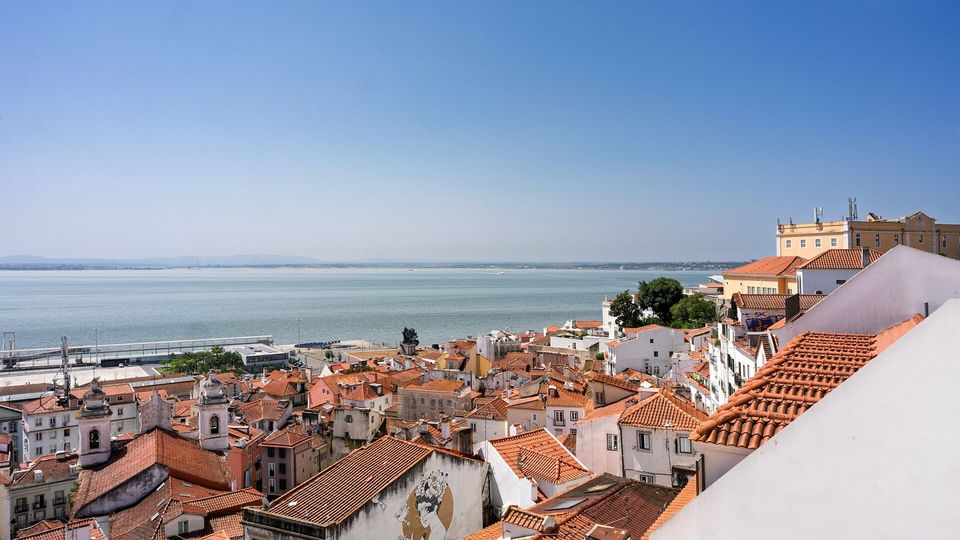

Practical notes
- The route is roughly 9 km per day with plenty of climbing; build in breaks.
- A rechargeable transit card works on trams, buses, the metro and the ferries if your legs give up.
- Most viewpoints are free and open all day. Sunset is busiest; sunrise is quietest.
Keep reading
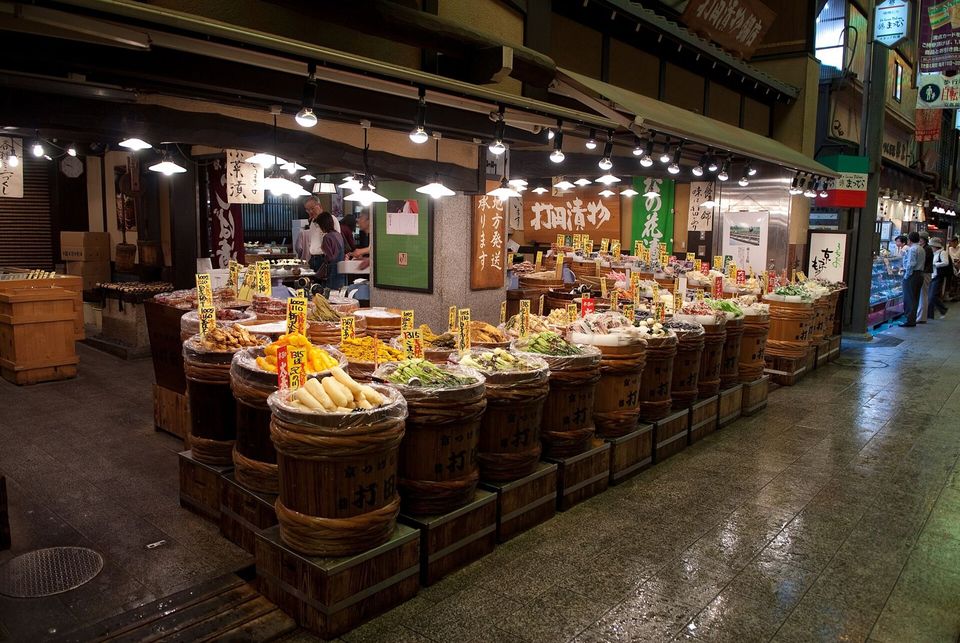
A morning in Kyoto’s Nishiki Market
Pickles, grilled squid, tamagoyaki and the art of eating while standing still. How to spend a slow morning in Kyoto’s Kitchen.
Elena Marsh2 min read
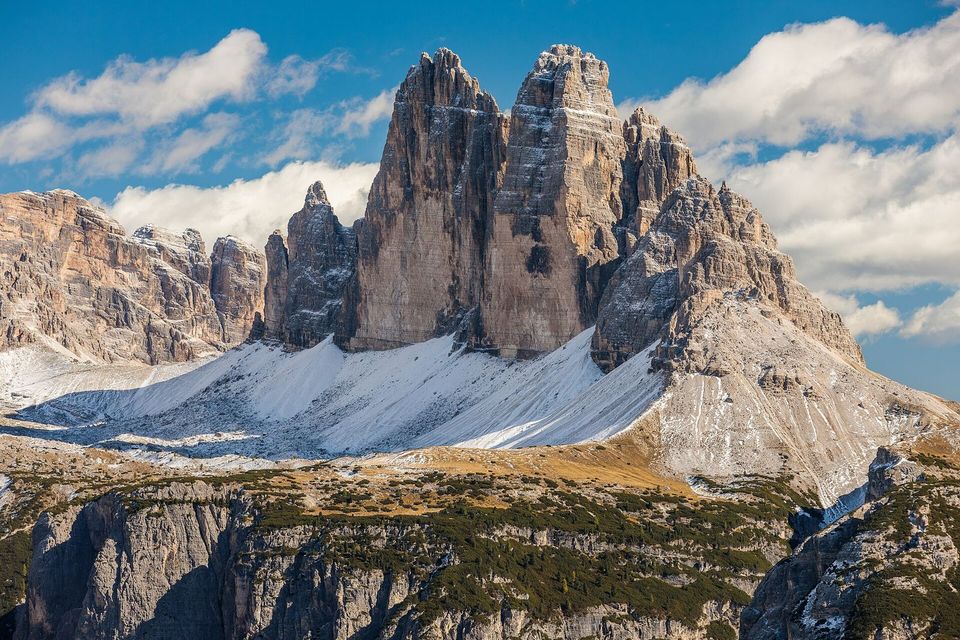
Hut to hut in the Dolomites
Five days on the Alta Via 1, sleeping in mountain refuges and eating like a king at 2,000 metres. Route, bookings and what to expect.
Tomas Lindqvist2 min read
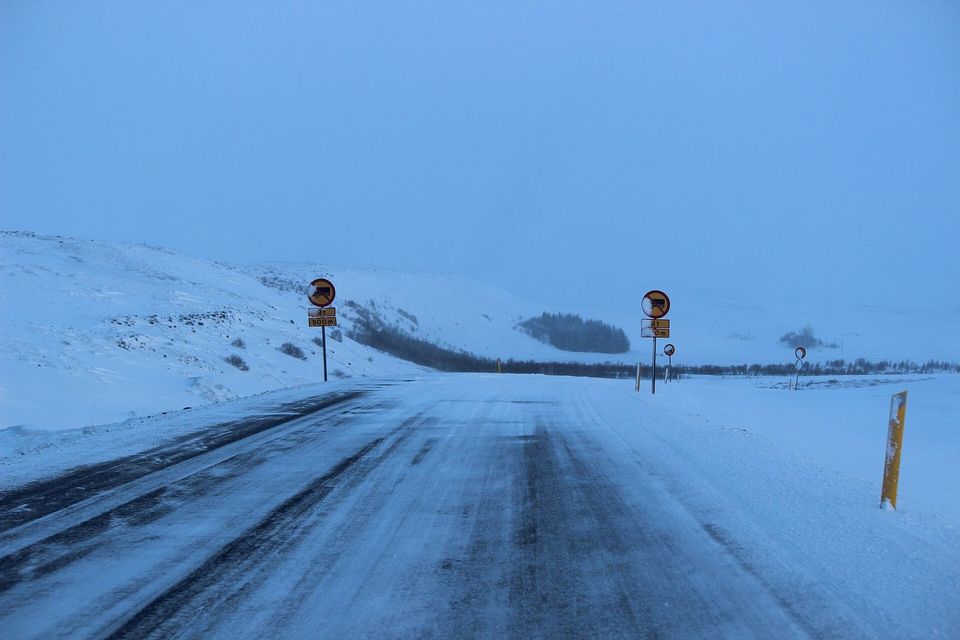
Iceland’s Ring Road in winter: a sensible guide
Short days, empty roads and the northern lights. How to drive Route 1 safely between November and March — and when not to.
Tomas Lindqvist2 min read